

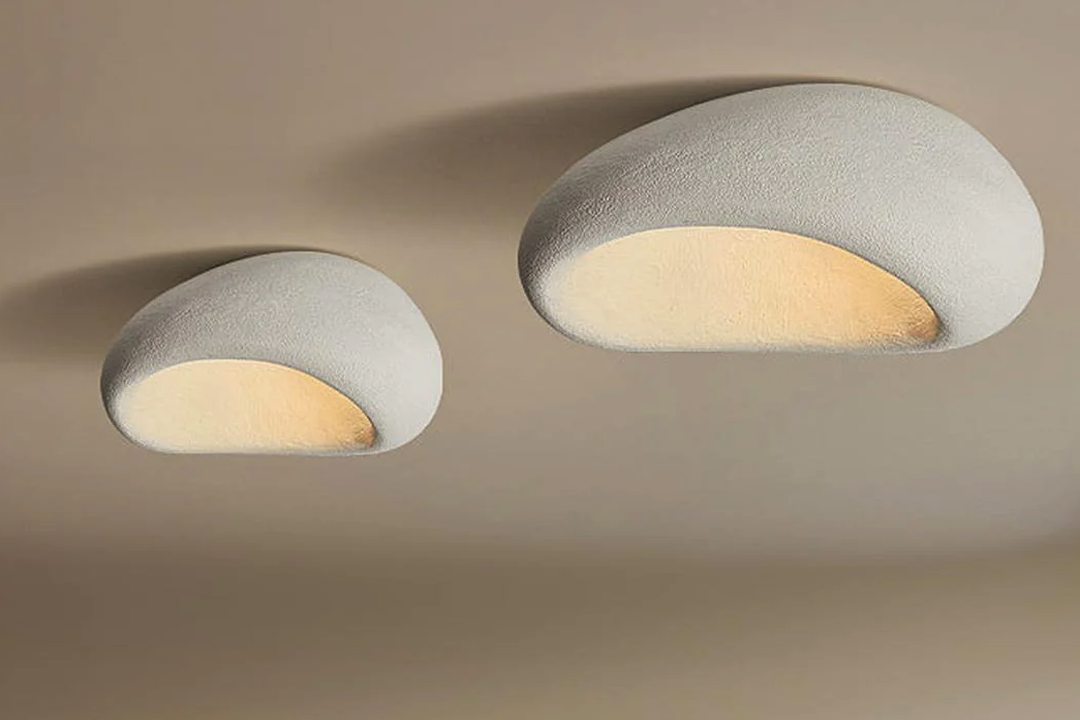
You’re looking to elevate your living room’s style, and a natural stone texture ceiling light might just be the unique touch you need. These lights aren’t just about illumination; they’re about bringing an organic, sophisticated feel to your space, effortlessly blending functionality with aesthetic appeal. They offer a grounded, yet elegant, alternative to more common lighting fixtures, creating a focal point that’s both beautiful and practical.
When we talk about “natural stone texture,” we’re delving into a world of subtle variations, raw beauty, and a connection to the earth that modern interiors often crave. This isn’t about using actual, heavy stones for your light Iolamp fixture (though some high-end designs might incorporate thin veneers!), but rather about materials that mimic the exquisite patterns and tactile feel of rock, marble, slate, or even rough-hewn concrete.
The Allure of Organic Aesthetics
There’s something inherently calming and sophisticated about natural materials. In a world saturated with synthetic finishes, a light fixture that evokes the look and feel of stone offers a welcome respite. It introduces an element of the outdoors, blurring the lines between nature and interior design. Each fixture, due to the inherent variations in the material or its replication, often feels unique, like a piece of art rather than a mass-produced item.
Texture and Depth: Beyond Flat Surfaces
Flat, smooth surfaces can be sleek, but they often lack visual interest. A stone-textured light fixture adds a palpable dimension to your ceiling. Think about the subtle undulations, the varied sheen, or the uneven speckles you see in real stone – these qualities are what designers aim to replicate. This texture catches the light in fascinating ways, creating shadows and highlights that change throughout the day, adding dynamic character to your living room.
A Nod to Biophilic Design
Biophilic design, the concept of connecting building occupants more closely to nature, is gaining significant traction. A stone texture light is a subtle yet effective way to incorporate this principle into your home. It can foster a sense of well-being and tranquility, turning your living room into a more inviting and restorative space. It’s part of a larger trend towards creating homes that feel nurturing and connected to the natural world.
Types of “Stone” for Your Ceiling Light: Exploring the Options
When you’re seeking that natural stone look, you’re not limited to just one interpretation. Manufacturers use various materials and techniques to achieve these sought-after textures.
Faux Stone Composites and Resins
These are perhaps the most common and practical options. High-quality composites and resins can be molded and finished to remarkably mimic the appearance of various stones. This allows for lighter fixtures than actual stone, easier installation, and often more intricate designs.
- Marble Look: Resins can be imbued with swirl patterns and subtle translucency that closely resemble genuine marble, offering a luxurious feel without the prohibitive cost or weight. You might find fixtures with delicate grey veins against a white background, or bolder, darker patterns.
- Concrete Look: For a more industrial or minimalist aesthetic, concrete-textured resins provide that raw, unfinished appeal. These often feature subtle pitting and a matte finish, perfect for a loft-style living room or a contemporary space seeking an edge.
- Slate and Sandstone Replicas: These composites can capture the layered, earthy tones and fine grain of slate or sandstone. They often come in muted greens, browns, and grays, adding a grounded, natural feel.
Ceramic and Porcelain with Textured Glazes
Ceramic and porcelain are also excellent choices for creating a stone-like texture. These materials are durable and can be glazed with finishes that replicate the matte, rough, or subtly reflective qualities of stone.
- Unglazed Finishes: Some ceramic or porcelain fixtures might intentionally leave surfaces unglazed, allowing the natural bisque to show through, which can achieve a raw, earthy stone-like appearance.
- Textured Glazes: Glazes can be formulated to create a tactile surface, mimicking the grit of sandstone or the unevenness of a natural rock face. These can range from subtle speckles to more pronounced irregularities.
Wood with Stone-Like Finishes
While seemingly disparate, some innovative designers use wood that has been treated, carved, or painted to achieve a stone-like texture. This can be particularly effective for replicating weathered stone or driftwood.
- Distressed Wood: Wood that has been sandblasted, wire-brushed, or chemically treated can achieve a rugged, aged appearance, reminiscent of old stone.
- Painted and Textured Wood: Using specialized paints and fillers, wood can be transformed to look like concrete or a rough-hewn stone block, offering a surprising twist.
Incorporating Actual Stone Elements
For those seeking the ultimate authentic touch, some premium fixtures might incorporate thin veneers or small, polished pieces of actual stone. These are typically used in smaller accents due to weight and cost, but they offer an unparalleled level of authenticity.
- Thin Stone Veneers: Ultra-thin cuts of marble, slate, or travertine can be laminated onto a backing, allowing for the real material to be used without the heavy weight of solid stone. This is a truly luxurious option.
- Stone Accents: Small, polished stone beads, nuggets, or carved elements might be integrated into a larger fixture made of another material, providing points of genuine stone.
Design Harmony: Integrating Your Stone Texture Light
Choosing a stylish light isn’t enough; it needs to fit seamlessly into your living room’s existing design or spearhead a new aesthetic.
Complementing Your Color Palette
Think about the dominant colors in your living room. A light fixture with a concrete-like finish might look fantastic against cool grays and blues, creating a modern, serene space. A warmer, sandstone-textured light could beautifully complement earthy tones, creams, and natural wood furniture, fostering a cozy and inviting atmosphere.
- Warm Tones: For living rooms with beige, brown, terracotta, or olive green palettes, a light fixture mimicking sandstone, travertine, or warmer marble will blend beautifully.
- Cool Tones: Spaces dominated by grays, blues, whites, and blacks can be enhanced by fixtures replicating concrete, slate, or cooler-toned marble.
- Monochromatic Schemes: A textured fixture can add much-needed visual interest to a monochromatic room. A subtle pattern in the same color family can provide depth without introducing new colors.
Matching Existing Materials
If you have a stone fireplace, exposed brick, or concrete elements elsewhere in your living room, a stone-textured light fixture will feel right at home. The key is not necessarily to match perfectly, but to complement. For instance, a light marble texture could pair beautifully with a rough brick wall, creating a sophisticated contrast.
- Wood Furniture: Many natural stone textures pair exceptionally well with wood furniture. A rugged stone texture can highlight the warmth and grain of wood, creating a balanced, nature-inspired environment.
- Metal Accents: The juxtaposition of metal (like brushed brass, matte black, or chrome) and stone texture can be striking, adding an industrial-chic or contemporary edge.
- Soft Furnishings: Consider how the texture of the light plays against your fabrics. Plush velvet, linen, or chunky knits can provide a soft counterpoint to the perceived hardness of stone.
Considering Room Scale and Ceiling Height
The size and scale of your light fixture are crucial. A large, imposing stone-textured light in a small room with a low ceiling can be overwhelming. Conversely, a tiny fixture in a grand, high-ceilinged living room might get lost.
- Low Ceilings: Opt for flush mounts or semi-flush mounts with a subtle stone texture. These fixtures sit closer to the ceiling, preserving headroom while still offering that desired aesthetic. Look for lighter, less bulky designs.
- High Ceilings: You have more freedom here. Pendants and chandeliers with a substantial stone texture can become a dramatic focal point. Don’t be afraid to go larger, as the height will help balance the visual weight.
- Overall Room Size: In larger living rooms, a more generously sized fixture can ground the space. For smaller rooms, a more delicate or streamlined design might be preferable.
Lighting Beyond Aesthetics: Functionality and Ambiance
A ceiling light isn’t just a decorative piece; it needs to perform its primary function effectively.
The Right Kind of Light Output
Think about what kind of light your living room needs. Is it a primary source of general illumination, or is it more for creating atmospheric mood lighting?
- General Illumination: If it’s your main light source, look for fixtures that allow for bright, even light distribution. This might mean multiple bulbs or a broad diffuser. Ensure the “stone” material doesn’t block too much light, unless that’s your specific intention for mood lighting.
- Accent/Mood Lighting: Many stone-textured fixtures excel at creating a soft, diffused glow. The texture itself can subtly filter and direct light, casting interesting shadows. This is perfect for setting a relaxed evening atmosphere, especially when paired with dimmable bulbs.
Dimmable for Versatility
This is a non-negotiable for a living room light. The ability to dim your stone-textured fixture allows you to effortlessly transition from bright task lighting (if applicable) to a warm, intimate glow. That textured surface will look dramatically different under varying light intensities, offering further visual interest. Always ensure the fixture and bulbs you choose are compatible with dimmer switches.
Warm vs. Cool Light Tones
The color temperature of your bulbs (measured in Kelvin, K) significantly impacts the ambiance.
- Warmer Tones (2700K – 3000K): These mimic incandescent bulbs, giving a cozy, inviting, and slightly yellowish light. They pair exceptionally well with many natural stone textures, enhancing earthy tones and creating a comfortable atmosphere.
- Cooler Tones (3500K – 4000K+): These are brighter, whiter, and can feel more modern or clinical. While some modern concrete-textured fixtures might suit cooler light, generally, for a natural, organic feel, warmer tones are preferred to avoid making the stone texture appear sterile.
Directional vs. Diffused Light
Consider how the light fixture spreads light.
- Diffused Light: Many stone-textured lights are designed to diffuse light softly through the material or a separate diffuser. This creates an even, gentle glow that minimizes harsh shadows and is ideal for general ambient lighting.
- Semi-Directional: Some fixtures might incorporate downlights or spotlights within a stone-textured housing, allowing for both ambient and more focused illumination. This can be great for highlighting specific areas.
Installation and Maintenance: Practical Considerations
Before falling in love with a design, think about the practicalities of getting it up and keeping it looking good.
Weight and Mounting
While most faux stone fixtures are significantly lighter than real stone, they might still be heavier than a standard glass or metal light. Always check the weight and ensure your ceiling electrical box and joists can safely support it. If it’s a particularly heavy fixture, you might need additional bracing.
- Professional Installation: When in doubt, especially with larger or heavier fixtures, hire a qualified electrician. They can ensure proper wiring, secure mounting, and adherence to local electrical codes. Safety is paramount.
- Ceiling Type: Understand if your ceiling is drywall, plaster, or another material, as this will impact the type of mounting hardware required.
Cleaning and Care
Because of the texture, these lights might require a slightly different cleaning approach than smooth fixtures. Dust and grime can settle into crevices.
- Gentle Dusting: Regular dusting with a soft, dry cloth or a duster with soft bristles is usually enough. For deeper textures, a soft-bristled brush (like a clean paintbrush) can help dislodge dust.
- Mild Cleaning Solutions: For more stubborn marks, check the manufacturer’s recommendations. Often, a lightly damp cloth with a very mild, non-abrasive soap solution is suitable. Avoid harsh chemicals, as they can damage finishes, especially on composite or painted surfaces.
- Avoid Abrasives: Steer clear of abrasive scrubbers or cleaning agents that could scratch or damage the textured surface.
Bulb Replacement Access
Consider how easy it will be to change the bulbs. Some textured fixtures might have intricate designs that make bulb access tricky. If you opt for an LED integrated fixture, this might not be an issue for a long time, but it’s worth considering for traditional bulb types.
- Ease of Opening: Some fixtures have twist-and-lock diffusers, while others might require screws. Make sure you can comfortably access the bulb sockets without too much hassle.
- Fixture Design: If the light source is deeply recessed within the textured housing, ensure there’s enough room to maneuver your hand for bulb replacement.
Where to Source Your Stylish Stone Texture Light
Finding the perfect fixture requires knowing where to look.
Dedicated Lighting Showrooms
These are often the best places to see fixtures in person. You can get a real sense of the texture, scale, and light emitted. Staff can also provide expert advice on installation and compatibility. High-end lighting retailers are particularly good for unique and artisan-crafted pieces.
- Advantages: See in person, expert advice, higher quality options, can often commission custom pieces.
- Disadvantages: Potentially higher prices, limited selection compared to online.
Online Retailers (Specialty and General)
The internet offers an unparalleled selection, from budget-friendly options to bespoke designs. Pay close attention to product descriptions, materials used, dimensions, and customer reviews. High-resolution images are crucial to assess the texture.
- Advantages: Vast selection, competitive pricing, convenience, access to international brands.
- Disadvantages: Cannot see in person, reliance on images and descriptions, potential for misleading quality.
- Tips: Look for detailed photos that show texture up close, check return policies meticulously, and prioritize retailers with good customer service.
Artisan and Custom Makers
If you’re after something truly unique, consider a local artisan or a custom lighting studio. They can craft a bespoke piece that perfectly matches your vision and space. This is often an investment but yields a truly one-of-a-kind result.
- Advantages: Unique design, tailored to your specifications, supporting local craft.
- Disadvantages: Higher cost, longer lead times, can be harder to find.
Sustainable and Ethical Considerations
As you explore options, think about the environmental impact of your choice.
- Recycled Materials: Some faux stone composites are made from recycled content.
- LED Integration: Fixtures with integrated LEDs are energy-efficient and long-lasting, reducing bulb waste.
- Local Sourcing: If possible, choosing locally made products can reduce transportation emissions.
By considering these practical aspects alongside your aesthetic preferences, you’ll be well-equipped to choose a natural stone texture ceiling light that not only looks fantastic but also functions beautifully and seamlessly integrates into your stylish living room for years to come. It’s an investment in both your home’s design and your daily well-being.