

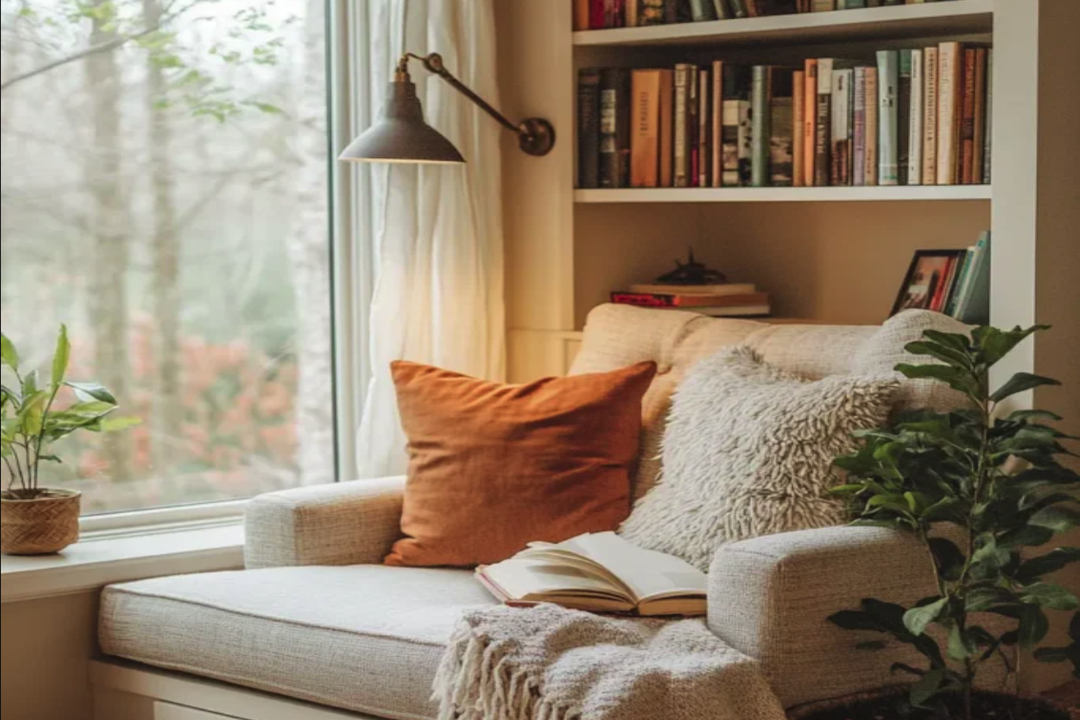
This article discusses a type of decorative lighting designed to enhance the ambiance of a reading corner. The focus is on accent glass hanging lamps, examining their functional and aesthetic contributions to such spaces.
A reading corner is more than just a place to hold books; it is a sanctuary, a personal retreat where individuals engage with literature. The effectiveness of this retreat is significantly influenced by its atmosphere, which lighting plays a crucial role in shaping. Accent lighting, in particular, moves beyond mere illumination to create mood, highlight specific areas, and contribute to the overall visual appeal of a space.
Defining Accent Lighting
Accent lighting refers to focused light Nepten that draws attention to specific features or areas. Unlike ambient lighting, which provides general illumination for a room, or task lighting, which is designed for specific activities like reading or cooking, accent lighting serves a more decorative and atmospheric purpose. It is the spotlight on a piece of art, the subtle glow around a plant, or, in this context, the gentle luminescence of a decorative lamp.
The Psychology of Light and Reading Comfort
The human response to light is complex and deeply intertwined with our emotions and physiological states. Warm, soft lighting is often associated with relaxation and comfort, conducive to activities that require focus and tranquility, such as reading. Conversely, harsh or overly bright light can be jarring, promoting alertness rather than repose. The careful selection of accent lighting, therefore, can transform a functional space into a truly inviting one.
Accent Glass Hanging Lamps as a Specific Solution
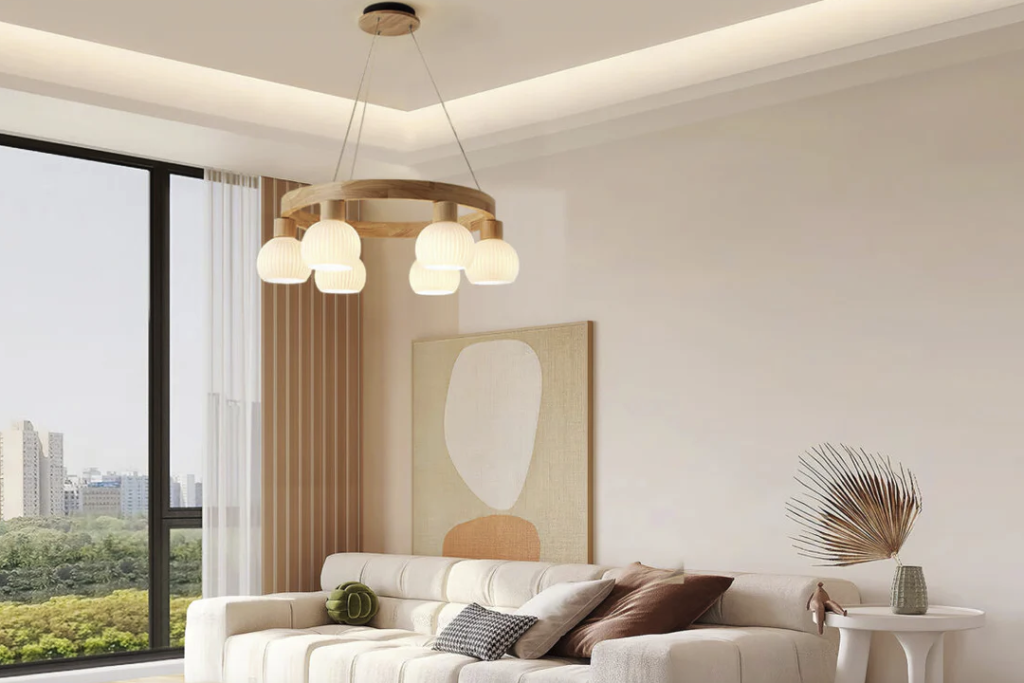
Within the broad category of accent lighting, glass hanging lamps offer a distinct set of characteristics. The material itself, glass, possesses unique properties that allow for the diffusion, reflection, and refraction of light in visually appealing ways. When designed as hanging fixtures, these lamps can serve as a focal point, drawing the eye and contributing a sculptural element to the décor.
Material Properties of Glass in Lighting
Glass, as a material, has been utilized for its luminous qualities for centuries. Its transparency allows light to pass through, while its surface can be manipulated to create a variety of textures and effects.
Transparency and Translucency
The degree to which glass allows light to pass through it, transparency, and the degree to which it diffuses light, translucency, are key factors in lamp design. Transparent glass might be used for clear bulbs or lamps that cast sharp shadows, while translucent glass, such as frosted or etched glass, softens the light, creating a more diffused and mellow glow.
Color and Tinting
Glass can be colored through various processes, introducing hues that can significantly alter the mood of the light emitted. A warm amber tint can evoke coziness, while a cool blue might offer a sense of calm. The color of the glass itself, even when unlit, contributes to the visual aesthetic of the lamp.
Textural Effects
Etching, sandblasting, or molding glass can create intricate textures on its surface. These textures interact with light by scattering it, creating patterns, or adding a tactile dimension to the visual experience. For instance, a textured glass shade can produce subtle patterns on nearby walls.
The Hanging Aspect: Form and Placement
The fact that these lamps are hanging fixtures introduces further considerations regarding their design and integration into a reading corner.
Vertical Emphasis and Space Utilization
Hanging lamps draw the eye upward, adding a vertical dimension to the room’s design. This can be particularly useful in creating a sense of height in smaller spaces. Furthermore, by suspending the lamp, floor and table space is freed up, which can be valuable in a dedicated reading area.
Focal Point Creation
A well-placed hanging lamp can act as a natural focal point, anchoring the reading corner and drawing attention to it. This is especially true if the lamp is decorative and visually distinct.
Light Distribution and Shadow Play
The height and angle at which a lamp is hung, along with the design of its shade, dictate how light is distributed and the shadows it casts. This can be intentionally manipulated to create a desired ambiance. A lamp hung lower might provide more focused light without being directly in the eyes, while the shape of the shade will determine the spread and intensity of the illumination on the surrounding surfaces.
Designing a Cozy Reading Corner Accent Glass Hanging Lamp
The concept of a “cozy” reading corner is subjective, but it generally implies a space that is inviting, comfortable, and conducive to relaxation and focused engagement with reading material. An accent glass hanging lamp can contribute to this feeling through two primary avenues: its visual appeal and its ability to create a specific lighting environment.
Aesthetic Considerations
The visual design of the lamp is paramount in making it an accent piece. This encompasses its shape, the type of glass used, and any decorative elements.
Form and Silhouette
The overall shape of the lamp contributes significantly to its aesthetic impact. Lamps can range from simple globes to more intricate, sculptural forms. The silhouette the lamp creates against the backdrop of the room is a key design element.
Organic and Flowing Shapes
Lamps with rounded edges and organic, flowing lines can evoke a sense of softness and familiarity, aligning with the idea of coziness. These shapes can mimic natural forms, creating a gentle presence in the space.
Geometric and Structured Designs
Conversely, lamps with more defined geometric shapes can offer a sense of order and sophistication. When combined with the soft light diffused by glass, these designs can provide a balanced aesthetic, avoiding anything overly stark.
Glass Finishes and Treatments
Beyond the choice of colored glass, the finishing of the glass surface plays a vital role in how light is perceived.
Frosted and Etched Glass
Frosted glass diffuses light evenly, eliminating harsh glare and producing a soft, ambient glow. Etched glass can introduce patterns and textures that interact with the light, creating subtle visual interest without being distracting. These treatments are often a cornerstone of lamps designed for creating a tranquil atmosphere.
Seeded and Blown Glass
Glass that contains small air bubbles (seeded glass) or has been hand-blown can possess unique visual qualities. These imperfections, rather than being flaws, add character and a handmade feel, contributing to a sense of warmth and individuality. The way light plays through these irregularities can be particularly captivating.
Decorative Elements and Hardware
The non-glass components of the lamp, such as its chain, cord, and mounting hardware, also contribute to its overall aesthetic.
Metal Finishes
The metal components can come in various finishes, such as brushed nickel, antique brass, or wrought iron. These choices can complement or contrast with the glass, influencing the lamp’s perceived style and sophistication. Antique brass, for instance, often lends a vintage or classic feel.
Integrated Ornaments
Some lamps may incorporate small decorative elements, such as beaded accents or subtle engravings. These details, when understated, can enhance the lamp’s visual appeal without compromising its function as a source of gentle light.
Lighting Ambiance
The primary function of a lamp in a reading corner is to provide light, but the quality of that light is what truly sets the tone.
Color Temperature of Light
The color temperature of the light bulb used with the lamp is a critical determinant of the ambiance. Measured in Kelvin (K), it describes the warmth or coolness of the light.
Warm White (2700K-3000K)
Light bulbs in this range produce a yellowish, soft light, often described as warm white. This color temperature closely mimics incandescent bulbs and is widely considered to be ideal for creating a cozy, relaxing atmosphere. It is less likely to cause eye strain during extended reading sessions.
Neutral White (3500K-4000K)
Neutral white light is more balanced, with a slightly less yellow hue than warm white. While still pleasant, it leans more towards task-oriented lighting and may feel less inherently “cozy” than warmer options.
Cool White (5000K+)
Cool white light has a bluish tinge and can make spaces feel more modern and energized. For a reading corner intended for relaxation, cool white is generally not the preferred choice as it may feel less inviting and more clinical.
Light Diffusion and Glare Control
The design of the glass shade plays a significant role in how light is softened and directed, preventing harsh glare that can disrupt reading.
Diffused Illumination
A well-designed glass shade will diffuse the light from the bulb, spreading it evenly and softening any sharp edges. This creates an indirect glow that is easy on the eyes. Frosted or textured glass is particularly effective at this.
Direct vs. Indirect Lighting Components
Some hanging lamps might combine direct and indirect lighting elements. For example, a bowl-shaped shade might direct some light downwards for reading while allowing a softer glow to emanate upwards. The balance between these two can be crucial for creating a layered lighting effect.
Intensity and Dimmability
The brightness of the lamp, often referred to as its intensity, is another factor in controlling ambiance.
Bulb Wattage and Lumen Output
The wattage of the bulb indicates its power consumption, while lumen output measures the actual brightness of the light. For accent lighting, lower lumen output bulbs are often preferred to avoid overpowering the space.
The Advantage of Dimmable Fixtures
Many accent glass hanging lamps are designed to be compatible with dimmer switches. This feature offers the ultimate control over the light’s intensity, allowing the user to adjust it according to their needs and the desired mood. A fully dimmed setting can create a very subtle, atmospheric glow, while a slightly higher setting might be suitable for casual reading.
Integrating the Lamp into Reading Corner Design
The placement and style of the accent glass hanging lamp are crucial for its success as a functional and aesthetic element within a reading corner. It should not merely be an object added to a room but an integral part of the room’s composition.
Strategic Placement for Optimal Effect
The location of the lamp within the reading corner is as important as its design. Thoughtful placement can enhance both its practical utility and its visual impact.
Proximity to the Seating Area
The lamp should be positioned to provide adequate, comfortable light for reading without being a direct obstacle or creating glare on the page.
Avoiding Direct Glare on Reading Material
One of the primary goals of good lighting in a reading corner is to illuminate the book or device without causing harsh reflections or shadows. The lamp should ideally be hung slightly to the side and above the reader’s head, depending on the lamp’s design and the seating arrangement.
Even Illumination Without Harsh Shadows
The goal is to create a pool of light that is pleasant and even, rather than harsh spotlights that cast dark shadows. This often involves the lamp’s shade and the type of glass used to diffuse the light.
Creating a Defined Zone
Positioning the lamp strategically can help visually delineate the reading corner from the rest of the room. A hanging lamp, by virtue of its presence, can act as a subtle marker, defining this personal space.
Visual Anchoring of the Space
A lamp suspended above or near the reading chair can serve as a visual anchor, drawing the eye to that particular area and making it feel more intentional and separate.
Enhancing Intimacy
The focused nature of accent lighting can contribute to a sense of intimacy within the reading corner, making it feel like a secluded haven.
Complementing Existing Décor
The accent glass hanging lamp should harmonize with the overall style and color palette of the reading corner and the wider room. It should feel like a natural extension of the existing décor, not an outlier.
Harmony of Styles
Whether the room is minimalist, bohemian, traditional, or eclectic, there will be a style of glass hanging lamp that complements it.
Modern and Contemporary Leanings
In modern interiors, lamps with clean lines, geometric shapes, and clear or subtly colored glass might be preferred. The emphasis is on understated elegance and functionality.
Traditional and Vintage Aesthetics
For more traditional or vintage-inspired spaces, lamps with antique brass hardware, frosted or patterned glass, and perhaps less conventional shapes might fit better. These can evoke a sense of history and warmth.
Color Palette Integration
The color of the glass and hardware should ideally tie into or deliberately contrast with the existing color scheme of the reading corner.
Subtle Color Integration
A lamp with a glass shade that shares a color with the armchair fabric, curtains, or wall art can create a cohesive look.
Bold Color Accents
Alternatively, a brightly colored glass lamp can serve as a deliberate pop of color, adding personality and visual interest to the space. This requires careful consideration to ensure it doesn’t overpower the room.
Practical Considerations for Installation and Maintenance
While aesthetic and atmospheric qualities are key, the practical aspects of owning and maintaining a hanging lamp are also important.
Installation Requirements
Hanging lamps, by definition, require a ceiling fixture and electrical connection.
Ceiling Junction Box and Support
Ensure that the ceiling has a suitable junction box and that the weight of the lamp is adequately supported to prevent it from falling. This might involve consulting an electrician if the existing setup is not robust enough.
Electrical Wiring and Safety
Proper electrical wiring is paramount for safety. If the lamp is not a simple plug-in model, professional installation is often recommended to ensure codes are met and the wiring is secure.
Cleaning and Bulb Replacement
Accent lamps, especially those with intricate glasswork, may require specific cleaning methods.
Gentle Cleaning of Glass Surfaces
Glass, particularly textured or frosted glass, can be sensitive to harsh chemicals. A soft, lint-free cloth and mild soap diluted in water are usually sufficient for cleaning. Avoid abrasive materials that could scratch the finish.
Accessibility for Bulb Changes
Consider how easy it will be to access and replace the light bulb. Lamps with easily removable shades or accessible bulb sockets will offer a more convenient user experience.
The Therapeutic Aspects of Reading Corner Lighting
The creation of a well-lit reading corner extends beyond mere decoration; it touches upon the therapeutic benefits of creating a conducive environment for mental well-being and intellectual engagement. Lighting, particularly accent lighting, plays a significant role in cultivating this sense of sanctuary.
Reducing Eye Strain and Enhancing Focus
The primary activity in a reading corner is, of course, reading. Therefore, the lighting must be optimized to reduce physical discomfort and improve concentration.
The Impact of Glare on Visual Fatigue
Direct, un-diffused light sources can create glare on the pages of a book or the screen of an e-reader. This glare forces the eyes to constantly readjust, leading to visual fatigue, headaches, and a diminished reading experience. Accent glass hanging lamps, with their inherent light diffusion properties, are designed to mitigate this. The softness of the light, as it passes through the glass, reduces the intensity of direct light rays.
Creating a Focused Illumination Zone
A well-placed hanging lamp creates a targeted area of light that is sufficient for reading without being so broad that it illuminates the entire room. This focused illumination helps the reader to maintain concentration, as their visual field is primarily directed towards the reading material. It’s like using a magnifying glass for the mind, concentrating its energy onto the subject at hand.
Promoting Relaxation and Mental Well-being
Beyond the practical aspects of illuminating text, the quality of light has a profound effect on our emotional state and ability to relax.
The Role of Warm Light in Stress Reduction
Warm light, with its lower color temperatures, has been shown to promote feelings of relaxation and reduce stress. This is partly due to its association with natural light found during dawn and dusk, times when the body is naturally inclined towards repose. A reading corner illuminated by a warm-toned accent lamp becomes a haven from the stresses of the day. The light acts as a gentle balm, soothing the senses.
Establishing a Ritual of Relaxation
The presence of a dedicated reading corner, complete with its own distinct lighting, can help establish a ritual of relaxation. The act of turning on the accent lamp can become a signal to the brain that it is time to unwind, disconnect from external demands, and immerse oneself in a book. This intentional act of creating a calming environment reinforces the therapeutic benefits of reading.
Enhancing the Aesthetic Appeal and Sense of Personal Space
A well-designed reading corner, highlighted by an appropriate accent lamp, contributes to a sense of personal sanctuary and enhances the overall aesthetic of the home.
The Lamp as a Decorative Anchor
The accent glass hanging lamp, with its potential for varied designs and material treatments, serves as more than just a light source; it becomes a decorative anchor for the reading corner. It draws the eye, adds visual interest, and elevates the space from a mere functional area to a considered and inviting nook. The lamp becomes the jewel in the crown of the reading corner.
Cultivating a Sense of Personal Retreat
By visually defining the reading corner and imbuing it with a specific ambiance, the accent lamp helps to create a sense of personal retreat. This space feels distinct from other areas of the home, offering a private and comfortable environment for introspection and escape. It is a small kingdom carved out of the larger dwelling.
The Evolution and Future of Reading Corner Lighting
The concept of a dedicated reading space has evolved over time, and lighting technology and design are continuously adapting to meet new needs and aesthetic preferences. Accent glass hanging lamps represent a particular iteration of this evolution, blending form, function, and ambiance.
Historical Context of Reading Lights
Historically, reading was a visually demanding activity, often undertaken by candlelight or gaslight.
Early Forms of Illumination for Reading
Before the advent of electricity, individuals relied on flame-based light sources. Candles, oil lamps, and later gas lamps, while providing illumination, were often inconsistent, produced significant heat, and posed a fire risk. Reading by such sources required careful positioning and constant attention. The development of the reading lamp, even in its early, less sophisticated forms, was a significant step towards improving the comfort and safety of reading.
The Introduction of Electric Lighting
The invention and widespread adoption of electric lighting revolutionized domestic environments. Task lighting, such as desk lamps, became more common, offering a more stable and controllable light source. However, the focus remained largely on functional illumination.
Modern Advancements in Accent Lighting
The emergence of accent lighting, and specifically decorative glass hanging lamps, reflects a growing appreciation for the aesthetic and psychological impact of light.
The Rise of LED Technology
Light Emitting Diodes (LEDs) have dramatically changed the landscape of lighting. Their energy efficiency, longevity, and versatility have opened new possibilities for lamp design.
Energy Efficiency and Longevity
LED bulbs consume significantly less energy than traditional incandescent bulbs, leading to cost savings and a reduced environmental footprint. Their extended lifespan means less frequent replacements.
Compact Size and Design Flexibility
The small size of individual LEDs allows for integration into a wider range of lamp designs. This has enabled the creation of more intricate shapes and the development of lamps with subtle, integrated lighting elements.
Smart Lighting and Connectivity
The integration of smart technology into lighting fixtures offers new levels of control and customization.
Controllable Color Temperature and Brightness
Smart accent lamps allow users to adjust not only the brightness but also the color temperature of the light, often through a smartphone app or voice commands. This provides unprecedented flexibility in tailoring the ambiance of a reading corner. One can transition from a bright, neutral light for focused study to a warm, dim glow for late-night reading with a simple command.
Scene Setting and Automation
Smart lighting systems can be programmed to create specific “scenes” – preset combinations of brightness and color temperature for different activities. Furthermore, automation features, such as scheduling the lamp to turn on at a certain time, can enhance the ritual of relaxation.
The Future Trajectory of Reading Corner Illumination
The trend towards creating personalized and atmospheric spaces within the home is likely to continue, influencing the design and function of reading corner lighting.
Emphasis on Wellness and Biophilic Design
As awareness of the importance of well-being grows, lighting solutions that promote relaxation and mimic natural light patterns will become more prevalent. This could involve lamps that subtly adjust their color temperature throughout the day to align with circadian rhythms.
Integration with Interior Design Trends
The accent glass hanging lamp will continue to evolve in response to broader interior design trends. Expect to see greater experimentation with materials, forms, and interactive lighting elements that cater to diverse aesthetic preferences and functional needs. The lamp will remain a key element in crafting spaces that are not only functional but also emotionally resonant and visually compelling.