

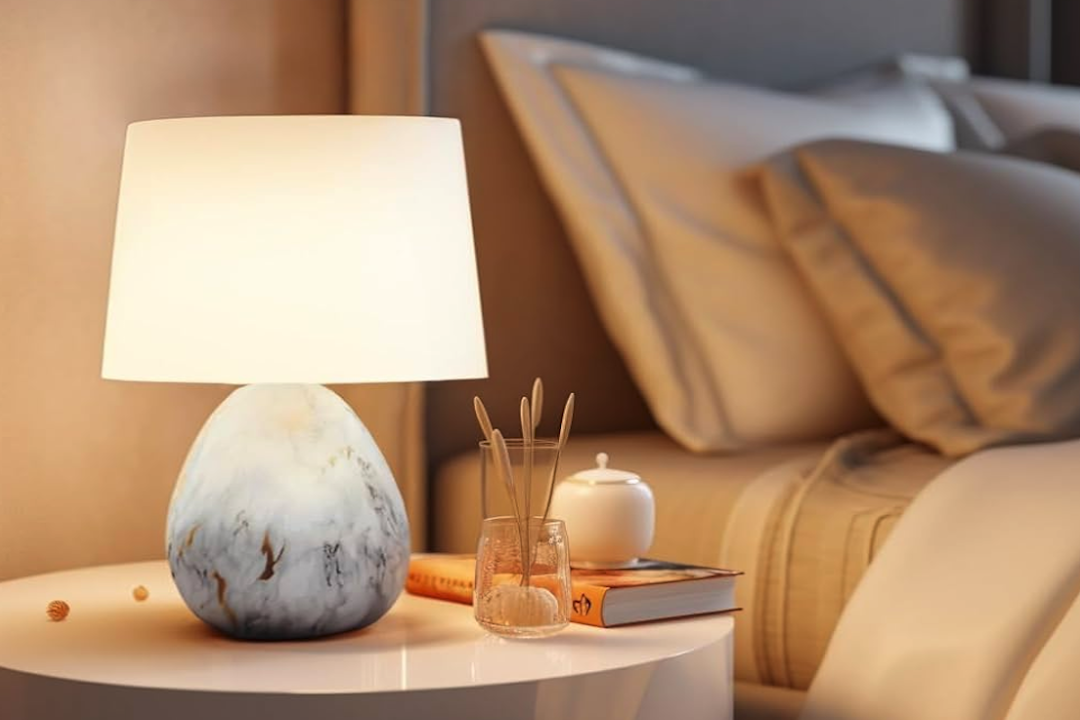
Ceramic table lamps offer a practical and aesthetic approach to enhancing a bedroom’s ambiance. Their versatility in design, material properties, and adaptability to various decor styles makes them a compelling choice for individuals seeking to update their personal space. This article serves as a guide to understanding and selecting modern ceramic table lamps for bedroom use, focusing on their functional and decorative contributions.
Ceramic, a material shaped from clay and hardened by heat, provides a unique foundation for table lamps. Its inherent qualities offer advantages in terms of durability, design flexibility, and aesthetic appeal, making it a suitable medium for creating both functional lighting Vuugu and decorative pieces.
Firing and Glazing: The Transformation of Clay
The process of transforming raw clay into a finished ceramic piece involves two primary stages: firing and glazing.
Bisque Firing: The Foundation
The initial firing, known as bisque firing, is conducted at temperatures typically ranging from 900 to 1100 degrees Celsius (1650 to 2000 degrees Fahrenheit). This process permanently alters the clay’s chemical and physical structure, rendering it hard and porous. The porosity is crucial as it allows for the absorption of glaze. This stage effectively solidifies the lamp’s basic form.
Glaze Application: Surface and Substance
Glaze, a liquid suspension of finely ground minerals, is applied to the bisqued ceramic. Upon subsequent firing, often at higher temperatures, the glaze melts and fuses with the ceramic body. This fusion creates a non-porous, durable surface that can be smooth, textured, or patterned. The glaze is responsible for the lamp’s color, sheen, and protective qualities. A well-glazed ceramic lamp resists stains and is easier to clean than unglazed or painted alternatives.
Varieties of Ceramic: Distinct Textures and Forms
The term “ceramic” encompasses a range of materials, each with distinct properties that influence the final lamp design.
Earthenware: Earthy and Accessible
Earthenware is typically fired at lower temperatures, resulting in a porous and relatively soft ceramic body. It is often used for more rustic or traditionally styled lamps. Its porous nature requires a thicker glaze for waterproofing, which can contribute to a richer, more opaque finish. Earthenware lamps often possess a tangible, grounded feel.
Stoneware: Durable and Versatile
Stoneware is fired at higher temperatures than earthenware, creating a dense, hard, and non-porous ceramic body. This makes stoneware lamps exceptionally durable and resistant to chipping and staining. The versatility of stoneware allows for a wide range of finishes, from matte to high gloss, and a broad spectrum of colors. It forms the backbone of many modern ceramic lamp designs due to its resilience.
Porcelain: Refined and Delicate
Porcelain, fired at the highest temperatures, produces a vitrified, exceedingly dense, and often translucent ceramic body. Porcelain lamps convey a sense of refinement and elegance. Its smooth surface and potential for delicate detailing make it suitable for more intricate designs. While beautiful, porcelain can be more fragile than stoneware.
Design Evolution and Modern Aesthetics
The design of ceramic table lamps has evolved significantly, reflecting changing interior design trends and technological advancements. Modern ceramic lamps often prioritize clean lines, minimalist forms, and a thoughtful integration of material and function.
Silhouettes: From Classic to Contemporary
The shape of a ceramic table lamp is a primary determinant of its aesthetic impact.
Sculptural Forms: Beyond the Basic Cylinder
Modern designs frequently move beyond the traditional cylindrical base, embracing more abstract and sculptural shapes. These can include organic curves reminiscent of natural elements, geometric constructions, or even deconstructed forms that challenge conventional notions of a lamp base. These bases act as visual anchors in the room, drawing the eye and contributing to the overall artistic statement.
Transitional Styles: Bridging Eras
Many modern ceramic lamps occupy a transitional space, blending elements of classic design with contemporary sensibilities. This might involve a familiar silhouette updated with a fresh glaze color or a textured finish. These lamps can bridge disparate decor styles, acting as unifying elements within a room.
Surface Treatments: Texture and Tone
The finish applied to the ceramic base plays a crucial role in its visual and tactile appeal.
Matte and Satin: Subdued Elegance
Matte and satin finishes offer a sophisticated, non-reflective surface that absorbs light rather than bouncing it back. This creates a soft, understated elegance that complements a wide range of decor styles. Matte finishes can add a touch of softness and warmth, while satin finishes provide a subtle sheen.
High Gloss and Crackle Glaze: Dynamic Visuals
High-gloss finishes and crackle glazes introduce visual dynamism. High gloss reflects light, adding a sense of brightness and modernity. Crackle glazes, with their network of fine lines, offer a vintage-inspired aesthetic with a distinct tactile interest. These finishes can add a focal point and a touch of personality to the lamp.
Functional Integration: Illumination and Ambiance
Beyond their decorative qualities, ceramic table lamps are fundamentally functional pieces of lighting. Their design and material choices directly influence the type of illumination and the overall ambiance they create.
Light Diffusion: Shaping the Glow
The interaction of light with the lamp’s shade and base is key to its functional output.
Shade Materials: The First Filter
The lampshade acts as the primary diffuser of light. Modern ceramic table lamps are often paired with shades made from linen, cotton, silk, or even recycled materials. The choice of shade material impacts the color and intensity of the light. Lighter, translucent materials allow more light to pass through, while darker, opaque materials create a more subdued, focused glow. Think of the shade as the lamp’s voice, modulating its pronouncements of light.
Base Transparency: Indirect Light Play
While the base itself is typically opaque, some ceramic designs incorporate perforations or cutouts. These elements can allow for subtle light spill, creating interesting patterns and indirect illumination on the surrounding surfaces. This adds another layer to the lamp’s lighting contribution.
Light Quality: Warmth and Color Temperature
The bulb used in conjunction with the ceramic lamp determines the quality and color of the light emitted.
Bulb Choice: The Heart of the Illumination
Modern LED bulbs offer unparalleled flexibility in terms of brightness, color temperature, and energy efficiency. For a bedroom, warm white light (typically 2700K to 3000K) is generally preferred, as it promotes relaxation and a cozy atmosphere. Cool white light can be too stark and may disrupt sleep patterns.
Dimmer Switches: Sculpting the Intensity
Many modern ceramic table lamps are equipped with or can accommodate dimmer switches. This allows for precise control over the light intensity, transforming the lamp from a task light to a soft ambient source. The ability to adjust the light level is like having a painter’s palette to adjust the mood of the room.
Placement Strategies: Enhancing Bedroom Layout
The strategic placement of ceramic table lamps can significantly impact the functionality and visual appeal of a bedroom. Thoughtful positioning can define zones, provide task lighting, and create points of visual interest.
Beside the Bed: The Pillars of Rest
The most common placement for table lamps is on bedside tables. Here, they serve crucial functions.
Reading Light: Focused Illumination
A well-placed bedside lamp provides essential light for reading. The lamp should be positioned so that the light falls directly onto the reading material, minimizing eye strain. The height of the lamp and the shade style are important considerations to prevent glare. The lamp becomes a faithful sentinel guiding your journey through the pages.
Ambient Glow: Creating a Sanctuary
Beyond task lighting, bedside lamps contribute to the overall ambiance of the bedroom. A soft, warm light emanating from these lamps creates a welcoming and relaxing atmosphere, signaling it is time to wind down.
Beyond the Bedside: Expanding Functional Zones
Ceramic table lamps can extend their utility to other areas of the bedroom.
Dresser or Vanity: Task and Accent
Placing a lamp on a dresser or vanity provides both functional task lighting for grooming and an attractive accent piece. The lamp’s design can complement the other decorative elements in the room.
Console or Wardrobe Top: Decorative Flourish
A smaller ceramic lamp can add a decorative flourish to a console table or the top of a wardrobe. This placement introduces subtle lighting and can elevate the aesthetic of these often-overlooked areas.
Corner Nooks: Illuminating Unused Space
An unoccupied corner can be revitalized with the addition of a ceramic table lamp. This not only adds light to a darker area but also draws the eye and can make the space feel more inviting and intentional.
Caring for Your Ceramic Lamp: Longevity and Appearance
Proper care ensures that ceramic table lamps maintain their aesthetic appeal and functionality over time. Ceramic is a durable material, but its finishes and electrical components require attention.
Cleaning the Ceramic Base: Gentle Restoration
The ceramic base of the lamp is relatively low-maintenance.
Dusting: Daily Maintenance
Regular dusting with a soft, dry cloth is the most important step in maintaining the ceramic’s appearance. This prevents the accumulation of dust and grime that can dull the finish and become difficult to remove.
Spot Cleaning: Addressing Minor Stains
For minor spills or marks, a slightly damp cloth can be used. It is important to avoid abrasive cleaners or harsh chemicals, which can damage the glaze. After wiping, dry the area thoroughly with a clean, soft cloth. If a stubborn mark persists, a mild soap diluted in water can be used, followed by thorough drying.
Maintaining the Lampshade: Preserving Diffusion
The lampshade, often made of fabric, requires more delicate care.
Vacuuming: Gentle Dust Removal
A soft brush attachment on a vacuum cleaner can be used for regular dusting of fabric shades. This is a gentle way to remove dust without causing damage.
Stain Removal: Targeted Action
For fabric shades, spot cleaning with a mild detergent and a clean cloth is often effective for small stains. Always test any cleaning solution on an inconspicuous area of the shade first. For more significant stains, professional cleaning might be necessary. Avoid immersing fabric shades in water, as this can warp or damage the material.
Electrical Component Checks: Ensuring Safety
Like any electrical appliance, a table lamp requires periodic checks to ensure safety.
Bulb Replacement: Prudent Practices
When replacing a light bulb, always ensure the lamp is unplugged. Use bulbs that are within the recommended wattage for the lamp to prevent overheating. LED bulbs are an excellent choice for their energy efficiency and longevity.
Cord and Plug Inspection: Proactive Safety Measures
Periodically inspect the power cord and plug for any signs of wear, fraying, or damage. If any damage is observed, the lamp should be unplugged immediately and either repaired by a qualified electrician or replaced. A compromised cord is a potential fire hazard. The lamp’s electrical components are its lifeblood; ensuring their integrity is paramount.