

Introduction
Nursery lighting is a critical component in designing a functional and aesthetically pleasing environment for infants and young children. Beyond mere illumination, it plays a role in mood regulation, visual development, and facilitating various daily routines. While numerous lighting options exist, “enchanting glass shade nursery lighting” refers specifically to light fixtures characterized by the use of glass shades, often incorporating decorative elements or specialized textures that refract or diffuse light in a distinctive manner. This article will explore the functional, aesthetic, and safety considerations associated with integrating such lighting into a nursery space.
Historical Context and Evolution
The evolution of lighting in domestic spaces, including nurseries, parallels advancements in electrical technology and design sensibilities. Early nursery lighting would have been rudimentary, relying on natural light supplemented by candles or oil lamps Nounhouse . The advent of electric lighting in the late 19th and early 20th centuries brought significant changes. Initially, bare bulbs or simple metal shades were common.
Early Innovations in Glassware
The burgeoning glass industry, particularly in regions like Bohemia (present-day Czech Republic) and Murano (Italy), began to produce decorative glass components for various applications, including lighting. These early glass shades, often hand-blown or pressed, were primarily functional, aiming to diffuse the harsh light of incandescent bulbs.
Mid-20th Century Adaptations
Post-World War II, mass production techniques made decorative glass accessible to a wider demographic. Nursery lighting started to incorporate elements recognizable today: softer pastel hues, etched patterns, and integrated motifs suitable for children’s rooms. The emphasis remained on functionality and basic aesthetic appeal.
Contemporary Design Trends
The late 20th and early 21st centuries witnessed a significant diversification in design. The term “enchanting” in the context of glass shade nursery lighting reflects a shift towards more elaborate, artistic, and evocative designs. Modern manufacturing allows for intricate detailing, diverse color palettes, and innovative light diffusion properties. This period also saw an increased focus on safety regulations and energy efficiency.
Functional Aspects of Glass Shade Lighting
The primary function of any nursery lighting is to provide adequate illumination. However, glass shade lighting offers specific functional advantages and considerations.
Light Diffusion and Glare Reduction
Glass, particularly frosted, etched, or textured varieties, inherently diffuses light. This diffusion spreads the light source over a wider area, reducing harsh shadows and creating a softer, more uniform illumination. For a nursery, this is crucial as direct, intense light can be disruptive to an infant’s developing eyes and sensitive to their sleep cycles. The glass acts as a filter, softening the luminous output of the bulb.
- Impact on Visual Comfort: Diffused light minimizes glare, a significant factor in promoting visual comfort. An infant spending extended periods in their crib may be exposed to overhead lighting, and excessive glare can be irritating or even detrimental to visual development.
- Creating a Calming Ambiance: The even distribution of light contributes to a calming atmosphere, essential for sleep and relaxation in a nursery. Unlike direct spotlighting, which can create dramatic contrasts, diffused light provides a gentle, enveloping glow.
Durability and Maintenance
Glass, while fragile, is a robust material once installed. It resists discoloration over time, unlike some plastic alternatives that can yellow with UV exposure.
- Cleaning Procedures: Glass shades are relatively easy to clean. Regular dusting with a soft cloth is usually sufficient. For more thorough cleaning, a mild glass cleaner and a lint-free cloth can be used. It is imperative to ensure the fixture is disconnected from power before cleaning.
- Resistance to Degradation: Unlike certain fabrics or synthetic materials, glass does not absorb odors or degrade significantly due to environmental factors such as humidity or temperature fluctuations within a typical nursery setting.
Compatibility with Light Sources
Modern glass shade fixtures are designed to accommodate a range of light bulb types.
- LED Compatibility: Light Emitting Diodes (LEDs) are highly desirable for nursery lighting due to their energy efficiency, long lifespan, and cool operating temperature. Many glass shade fixtures are designed for LED compatibility.
- Dimmability: The ability to dim lights is paramount in a nursery. Most glass shade fixtures, when paired with dimmable bulbs and a compatible dimmer switch, allow for adjustable light levels, crucial for nighttime feedings, diaper changes, and establishing sleep routines.
Aesthetic Contributions
Beyond its functional role, glass shade lighting significantly contributes to the overall aesthetic of a nursery, offering a blend of elegance and playful charm.
Visual Interest and Focal Point Creation
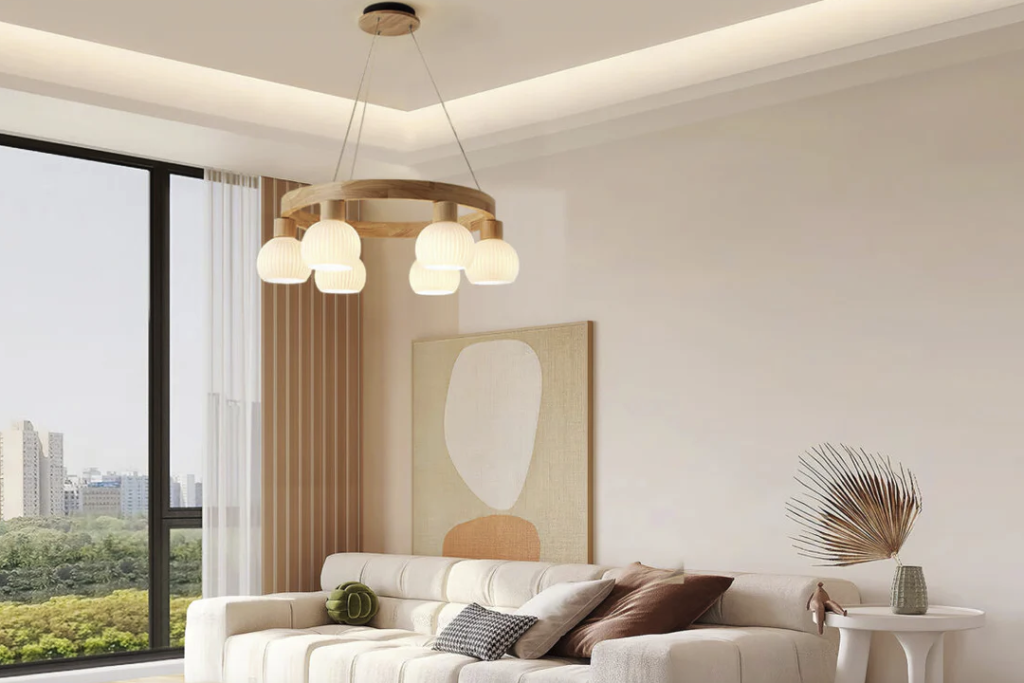
A well-designed glass shade fixture can serve as a central decorative element in the nursery. Its unique shape, color, or texture can draw the eye and establish a thematic anchor for the room’s decor. Consider a fixture with hand-blown glass elements – each curve and ripple tells a story, making the light source itself an art piece.
- Complementing Nursery Themes: The versatility of glass allows for a wide array of designs that can complement various nursery themes, from whimsical and fantastical to classic and minimalist. For instance, a clear glass shade with embedded sparkles might enhance a “starlight” theme, while a frosted shade with carved animal motifs would suit a “woodland” theme.
- Adding Texture and Depth: Glass can introduce a tactile dimension to the room even when viewed from a distance. The subtle play of light upon etched or fluted glass creates visual texture, adding depth to the room’s design that flat surfaces cannot achieve.
Color and Light Interaction
The use of colored glass or specific finishes can profoundly influence the light emitted and the room’s ambiance.
- Warm vs. Cool Tones: Different glass hues can alter the color temperature of the light. Amber or peach-tinted glass can impart a warmer, more inviting glow, while blue or green tints might create a cooler, more serene atmosphere.
- Creating Patterns and Shadows: Some intricate glass shades are designed to cast decorative patterns on the walls or ceiling when illuminated. These ephemeral light patterns can stimulate an infant’s visual curiosity and add a dynamic element to the room.
Enhancing Design Sophistication
While often associated with practicality, glass can elevate the sophistication of a nursery. A thoughtfully chosen glass fixture can prevent a child’s room from appearing overly simple or juvenile. It introduces a touch of refined craftsmanship.
Safety Considerations
Safety is paramount in any environment designed for infants and young children. Glass shade nursery lighting, while aesthetically pleasing, requires specific safety considerations.
Material Integrity and Breakage Risk
Glass, by its nature, is fragile. The primary concern is the risk of breakage and subsequent injury from sharp fragments.
- High-Quality Construction: It is crucial to select fixtures constructed with high-quality, durable glass designed for lighting applications. Manufacturers should adhere to recognized safety standards.
- Secure Mounting: The fixture must be securely mounted according to manufacturer instructions and local building codes. Any possibility of the fixture becoming loose or falling should be mitigated by professional installation if necessary.
- Childproofing Measures: While generally out of reach, consider the placement of floor or table lamps with glass shades. These should be placed where a crawling or toddling child cannot easily access or pull them down.
Electrical Safety
As with any electrical appliance, adherence to electrical safety standards is non-negotiable.
- UL/CE Certification: Ensure that all lighting fixtures are certified by recognized safety organizations such as Underwriters Laboratories (UL) in North America or Conformité Européenne (CE) in Europe. These certifications indicate that the product has met stringent safety requirements.
- Professional Installation: If unsure about electrical wiring or mounting, engage a qualified electrician to install ceiling fixtures or wall sconces. This ensures correct wiring and reduces the risk of electrical hazards.
- Correct Bulb Wattage: Always use light bulbs with the specified wattage and type for the fixture. Exceeding recommended wattage can lead to overheating, potentially damaging the fixture and creating a fire hazard.
Lead and Chemical Composition
Historically, some decorative glass contained lead. Modern glass for consumer products, especially those intended for children’s environments, is generally lead-free.
- Inquiry about Materials: When purchasing, particularly from smaller artisans or international suppliers, it is prudent to inquire about the chemical composition of the glass to ensure it is child-safe and free from harmful substances.
- Non-Toxic Finishes: If the glass shade has painted or coated elements, verify that these finishes are non-toxic and compliant with relevant safety standards.
Choosing the Right Glass Shade Nursery Lighting
Selecting “enchanting glass shade nursery lighting” involves balancing aesthetics, functionality, and crucial safety parameters. This isn’t merely picking a pretty object; it’s an investment in the nursery’s ecosystem.
Type of Fixture
Consider the various types of fixtures suitable for a nursery:
- Pendant Lights: Suspended from the ceiling, these can be a focal point. Ensure they are mounted at a height where they cannot be reached by a curious child.
- Flush Mounts/Semi-Flush Mounts: These fixtures sit closer to the ceiling, offering a more discreet profile and potentially less risk of accidental contact.
- Wall Sconces: Offering ambient or directional light, wall sconces can complement overhead lighting. Position them out of reach.
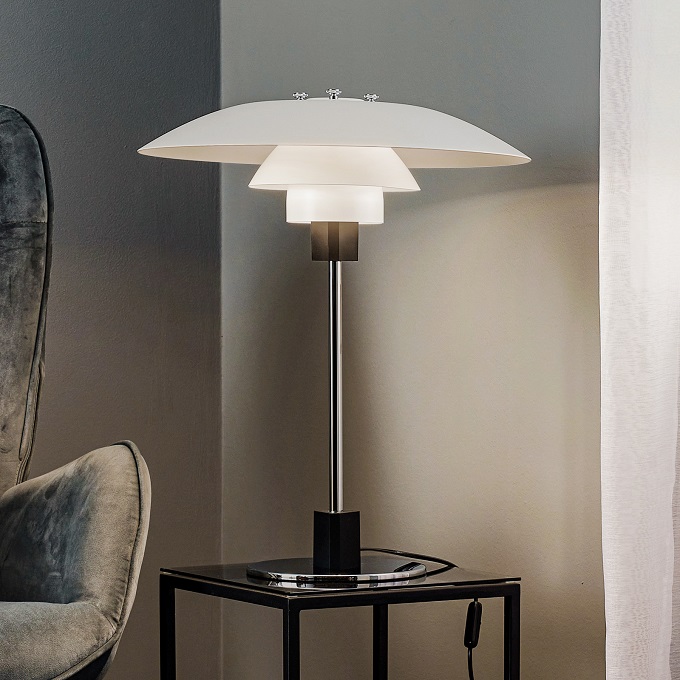
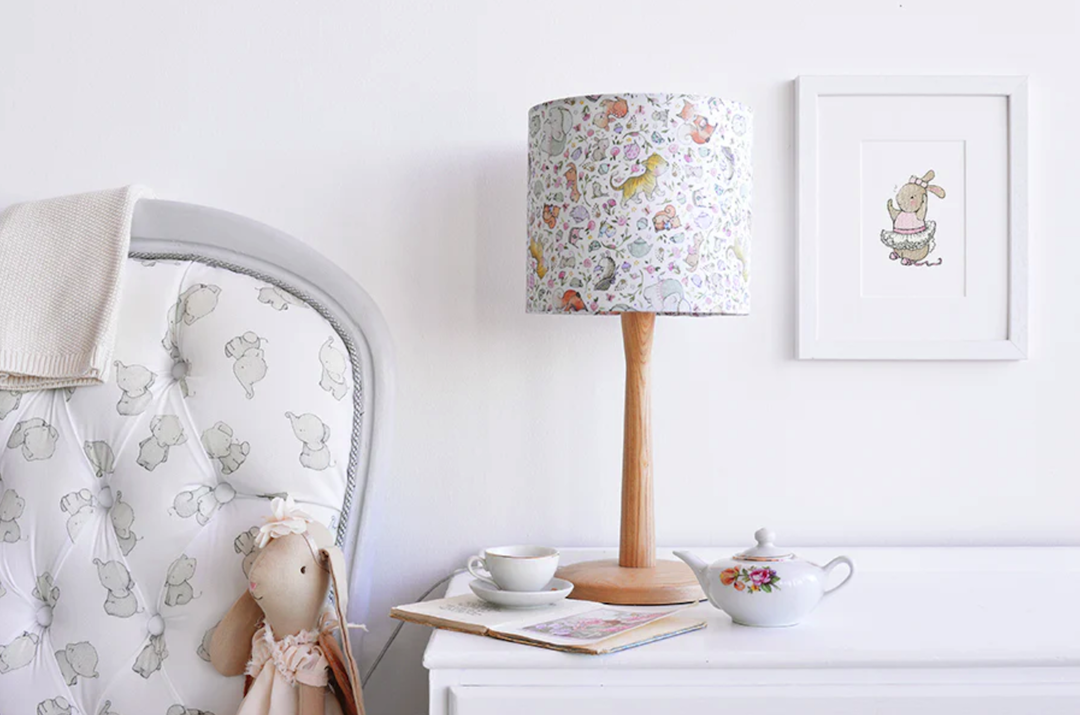
- Table/Floor Lamps: While offering flexibility, these require careful placement to avoid tipping or access by a child. Glass shades on these types of lamps, particularly, would need to be very robust or carefully positioned.
Glass Type and Properties
The type of glass significantly impacts light output and aesthetic.
- Frosted Glass: Provides maximum diffusion, creating a soft, even glow ideal for general nursery illumination.
- Etched or Sandblasted Glass: Offers decorative patterns and diffusion. The patterns can cast subtle shadows or direct light in specific ways.
- Colored Glass: Can add visual interest and influence the room’s color temperature. Ensure colors are gentle and not overly stimulating for a nursery.
- Textured/Patterned Glass: Adds a tactile dimension and unique light refraction. Rippled or hammered glass can create interesting light effects.
- Seeded Glass: Contains small bubbles, offering a vintage aesthetic and slightly diffused light.
Scale and Proportion
The size of the lighting fixture should be proportionate to the nursery room’s dimensions and the other furniture. An overly large fixture can overwhelm a small room, while a tiny one might be lost in a spacious area. Visualize the fixture in place. How does it interact with the crib, changing table, and storage units? It should feel balanced, not intrusive.
Dimmability and Control
As previously mentioned, dimmability is a non-negotiable feature for nursery lighting.
- Smart Home Integration: Modern fixtures can often be integrated with smart home systems, allowing for remote control via apps, voice commands, or scheduled routines. This offers convenience, particularly during nighttime waking.
- Placement of Switches: Ensure light switches are accessible but out of a child’s reach, offering practical control for parents.
Conclusion
“Enchanting glass shade nursery lighting” offers a sophisticated and functional solution for illuminating a child’s early environment. By providing diffused, gentle light, these fixtures contribute to a calming atmosphere conducive to rest and development. Their aesthetic versatility allows them to serve as significant decorative elements, enhancing the overall design theme of the nursery. However, the inherent fragility of glass and the presence of electrical components necessitate a rigorous approach to safety, emphasizing high-quality materials, secure installation, and adherence to established safety standards. When selected with careful consideration of these factors, glass shade lighting can transform a nursery into a space that is both visually stimulating and serenely functional for both child and parent.