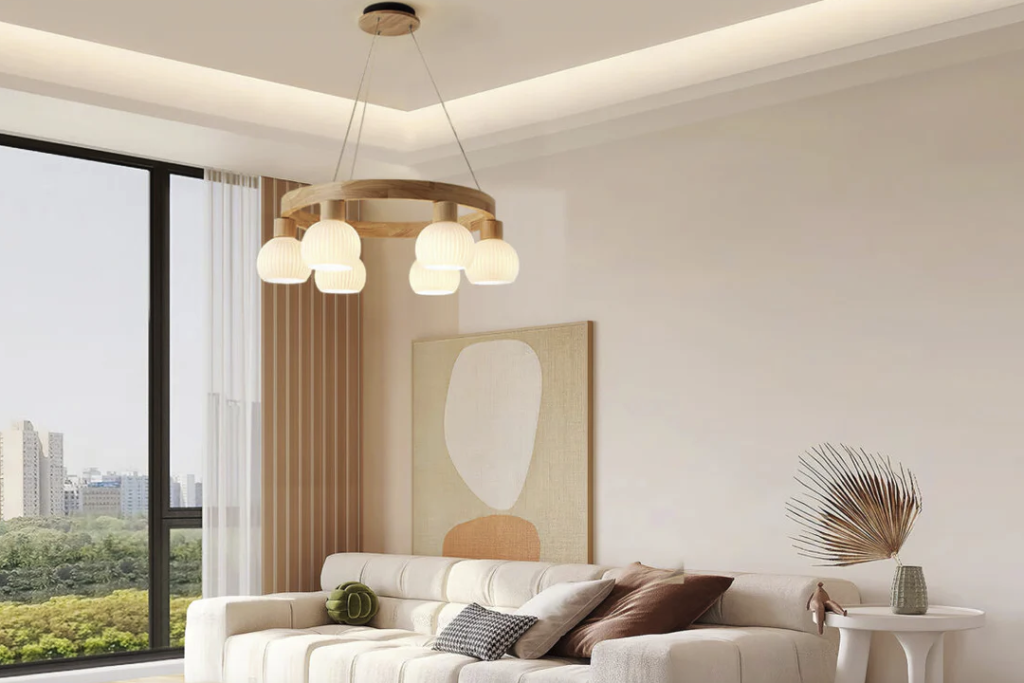


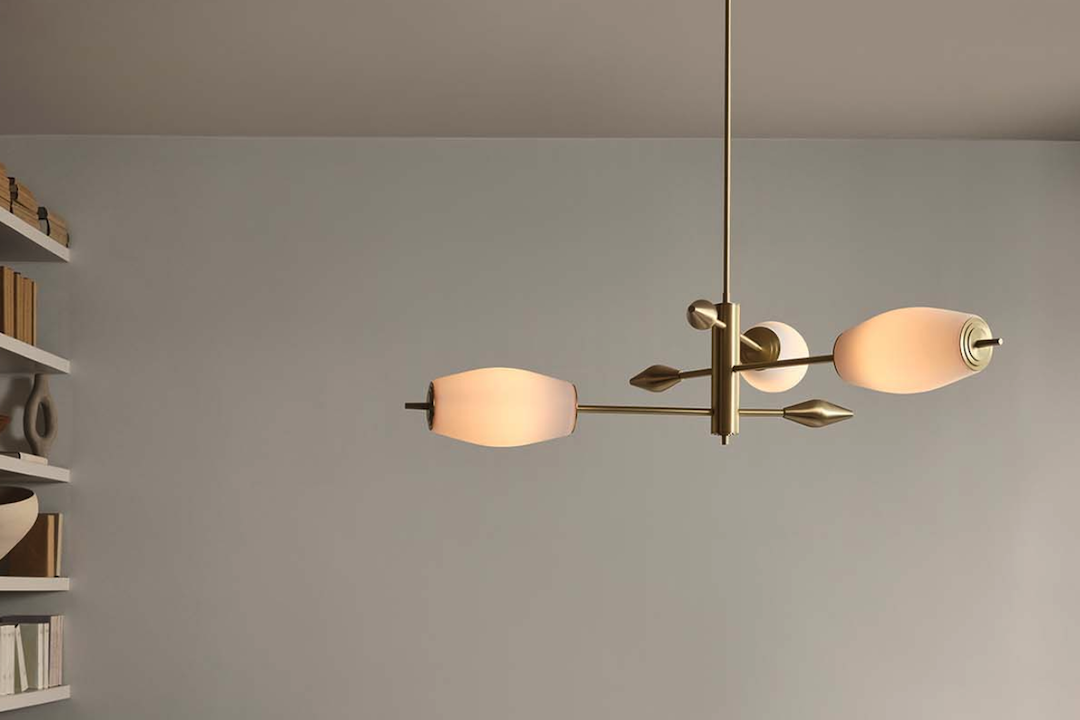
Retro living room ceiling lamps combine nostalgic design elements with practical lighting solutions for modern homes. These fixtures feature distinctive characteristics such as geometric patterns, bold color schemes, and materials typical of past design eras. They function as both light sources and decorative focal points that can significantly alter a room’s visual impact.
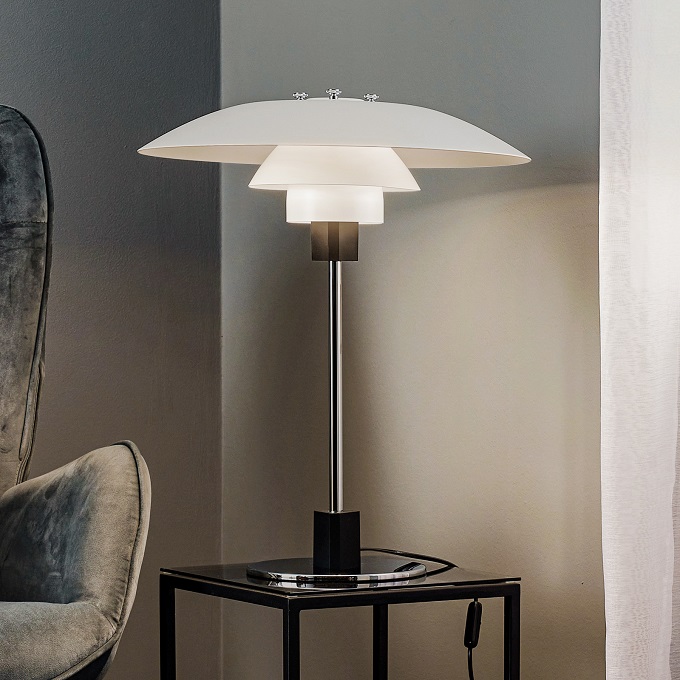
These lighting fixtures draw from several historical design periods, including Mid-Century Modern (1945-1965), Art Deco (1920s-1930s), and 1970s design movements. Mid-Century Modern fixtures typically feature clean lines, organic shapes, and materials like brass and wood. Art Deco influences appear in geometric patterns and metallic finishes.
1970s-inspired designs often incorporate vibrant colors, unusual shapes, and materials such as colored glass or plastic. The popularity of retro ceiling lamps Ckensu has increased significantly since the early 2000s, coinciding with broader trends toward vintage and authentic design elements in interior decoration. Market research indicates growing consumer preference for unique, character-rich home furnishings over mass-produced contemporary items.
These fixtures appeal to homeowners seeking to create distinctive living spaces that reflect personal taste while incorporating historical design elements. Retro ceiling lamps are available in various formats, including pendant lights, chandeliers, flush-mount fixtures, and semi-flush designs. Common materials include brass, copper, chrome, colored glass, and wood.
Popular styles range from Sputnik chandeliers with radiating arms to globe pendants and geometric flush-mount fixtures. These options accommodate different room sizes, ceiling heights, and existing decor schemes.
Choosing the Right Retro Style for Your Space
Selecting the appropriate retro style for your living room involves considering both the existing decor and your personal preferences. Mid-Century Modern designs, for instance, are known for their clean lines and organic shapes, often featuring materials like wood and metal. A pendant lamp with a geometric silhouette can seamlessly integrate into a minimalist space, providing a touch of vintage charm without overwhelming the overall aesthetic.
On the other hand, if your living room is adorned with eclectic furnishings, you might opt for a more whimsical design, such as a colorful globe pendant or a funky disco ball that captures the spirit of the 1970s. Another important factor to consider is the scale of the lamp in relation to your living room’s dimensions. A large chandelier can serve as a stunning focal point in a spacious area, while smaller flush-mount fixtures may be more suitable for cozy nooks or low-ceilinged rooms.
Additionally, consider the color palette of your living space. Retro lamps come in an array of hues, from muted pastels to bold primary colors. Choosing a lamp that complements or contrasts with your existing color scheme can enhance the overall visual impact of your decor.
Installing Your Retro Living Room Ceiling Lamp
Once you have selected the perfect retro ceiling lamp, the next step is installation. Depending on the complexity of the fixture and your level of comfort with electrical work, you may choose to tackle this project yourself or hire a professional electrician. If you decide to install it yourself, ensure that you have all necessary tools on hand, including a screwdriver, wire cutters, and electrical tape.
Before beginning, turn off the power at the circuit breaker to avoid any accidents. The installation process typically involves removing the old fixture and connecting the new lamp’s wiring to the existing electrical box. Carefully follow the manufacturer’s instructions, paying close attention to color-coded wires—usually black (hot), white (neutral), and green or bare (ground).
Once connected, secure the lamp to the ceiling and restore power to test its functionality. If you encounter any issues or feel uncertain at any point during installation, it is advisable to consult with a professional to ensure safety and compliance with local electrical codes.
Incorporating Retro Lighting into Your Living Room Decor
Integrating retro lighting into your living room decor requires thoughtful consideration of how these fixtures interact with other design elements in the space. One effective approach is to create a cohesive theme by selecting complementary furnishings and accessories that echo the retro aesthetic. For example, pairing a vintage-inspired lamp with mid-century furniture pieces—such as a sleek sofa or an iconic Eames chair—can create a harmonious look that celebrates the era’s design principles.
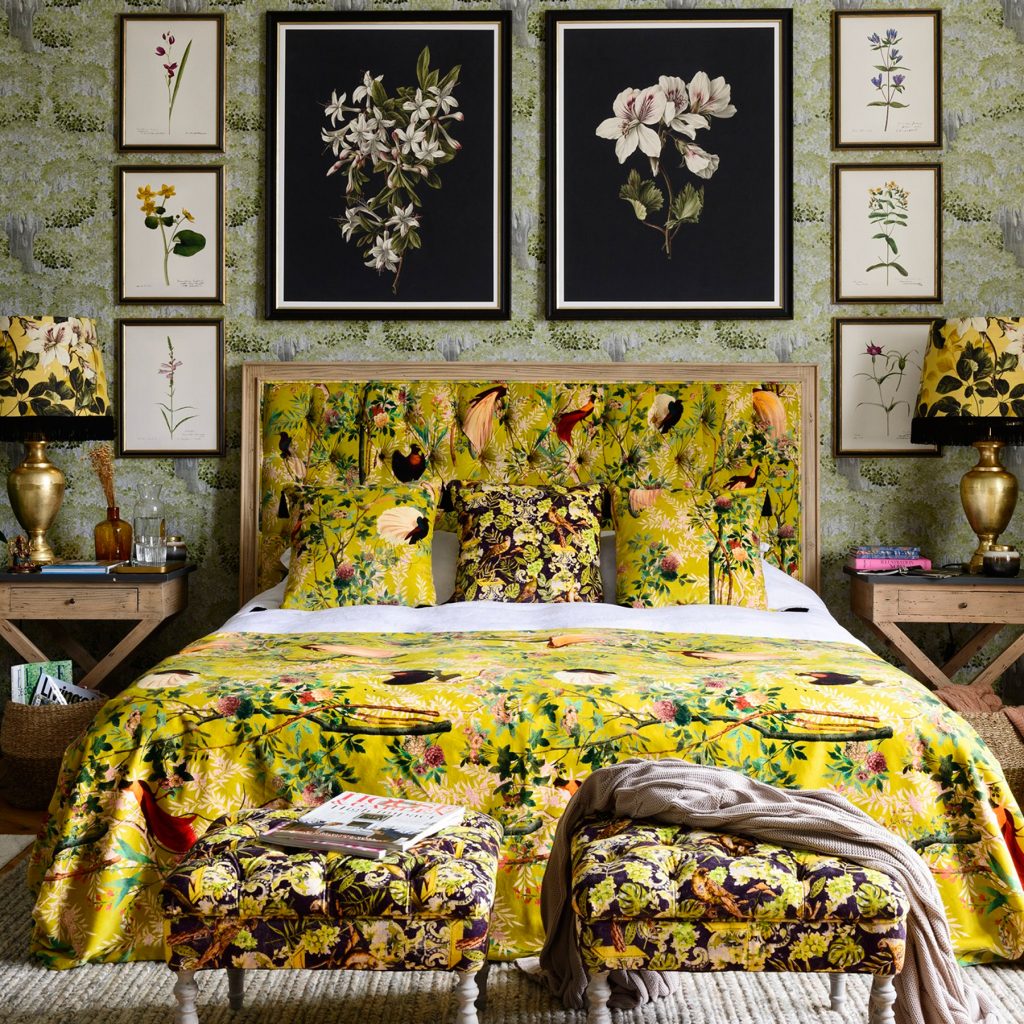
In addition to furniture, consider incorporating textiles that reflect retro patterns and colors. Bold geometric prints or vibrant florals can enhance the visual interest of your living room while tying together various elements of your decor. Wall art featuring iconic designs from the same era as your lamp can further reinforce this theme.
By curating a collection of items that resonate with your chosen retro style, you can create an inviting atmosphere that feels both nostalgic and fresh.
Mixing and Matching Retro and Modern Elements
One of the most exciting aspects of incorporating retro lighting into your living room is the opportunity to mix and match different styles. The juxtaposition of retro and modern elements can create a dynamic and visually engaging space that reflects your unique taste. For instance, pairing a vintage pendant lamp with contemporary furniture can highlight the charm of both styles while preventing the room from feeling overly themed or dated.
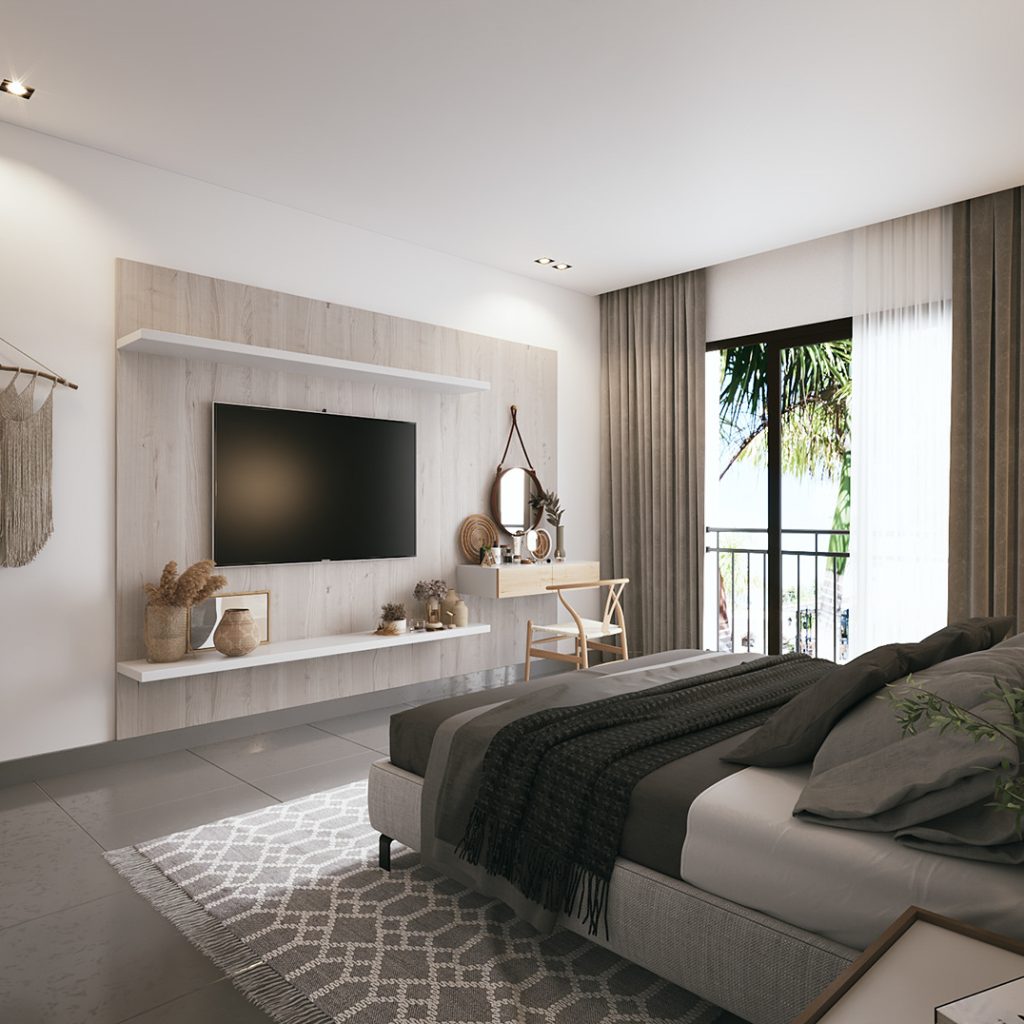
When blending these elements, consider using color as a unifying factor. A modern sofa in a neutral tone can provide a backdrop for vibrant retro lighting, allowing it to stand out as a focal point without clashing with other decor. Additionally, incorporating modern accessories—such as sleek vases or abstract sculptures—can add depth and contrast to your living room while maintaining an overall cohesive look.
This approach not only showcases your creativity but also allows you to enjoy the best of both worlds.
Creating a Cozy Ambiance with Retro Lighting
Retro lighting has an innate ability to create warmth and coziness in any living space. The soft glow emitted by vintage-inspired fixtures can transform an otherwise stark environment into an inviting retreat. To achieve this ambiance, consider using dimmable bulbs or warm-toned LED lights that mimic the soft illumination of traditional incandescent bulbs.
This allows you to adjust the brightness according to different occasions—whether you’re hosting a lively gathering or enjoying a quiet evening at home. Layering your lighting is another effective strategy for enhancing coziness. In addition to your main ceiling lamp, incorporate table lamps or floor lamps with retro designs throughout the room.
These additional light sources can provide localized illumination while contributing to the overall aesthetic. For example, placing a stylish table lamp on an end table next to a plush armchair creates an inviting reading nook that encourages relaxation. By thoughtfully combining various light sources, you can craft an atmosphere that feels warm and welcoming.
Maintenance and Care for Your Retro Living Room Ceiling Lamp
To ensure that your retro living room ceiling lamp remains in excellent condition over time, regular maintenance is essential. Dust accumulation can dull its finish and diminish its visual appeal, so it’s advisable to clean your lamp periodically using a soft cloth or microfiber duster. For more intricate designs with multiple components, such as chandeliers, consider using a gentle cleaning solution specifically formulated for delicate surfaces.
In addition to cleaning, check the electrical components of your lamp periodically to ensure they are functioning properly. Inspecting wiring for signs of wear or damage is crucial for safety reasons. If you notice any issues—such as flickering lights or unusual sounds—address them promptly by consulting an electrician or replacing faulty parts as needed.
By taking these proactive steps, you can preserve the beauty and functionality of your retro ceiling lamp for years to come.
Enjoying the Timeless Appeal of Retro Lighting
The timeless appeal of retro lighting lies in its ability to transcend trends while adding character and charm to modern spaces. By thoughtfully selecting and incorporating these fixtures into your living room decor, you can create an environment that reflects both nostalgia and contemporary style. Whether you choose to embrace a specific retro aesthetic or blend various elements together, these lamps serve as more than just sources of light; they are expressions of personal taste and creativity.
As you enjoy your retro living room ceiling lamp, take pleasure in its unique design and the stories it tells about bygone eras. The interplay between light and shadow created by these fixtures adds depth and warmth to your space, inviting moments of connection and relaxation with family and friends. Ultimately, retro lighting is not merely about illumination; it is about crafting an atmosphere that resonates with history while celebrating individuality in home decor.