

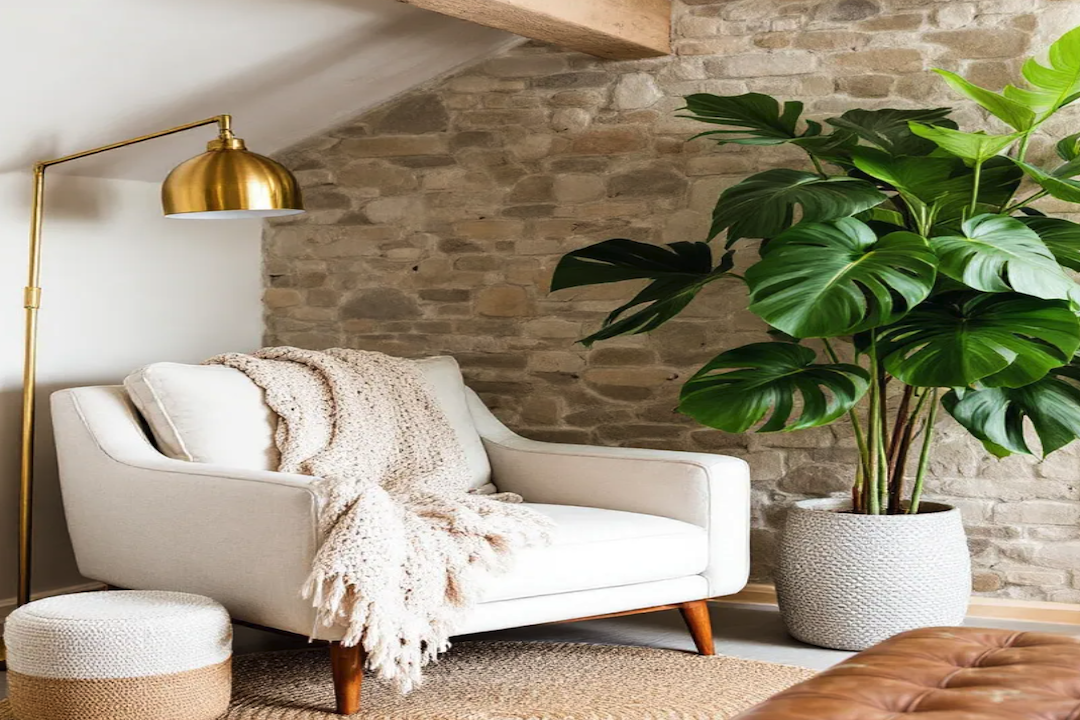
Finding the right light for your reading corner is all about making it a cozy, functional, and visually appealing spot. It’s not just about blasting light; it’s about creating an ambiance that encourages you to settle in with a good book. When we talk about “Organic Modern,” we’re leaning into a style that blends natural elements with clean, contemporary design. So, your lighting should echo that – think natural materials, soft shapes, and a focus on comfortable, warm illumination that doesn’t feel harsh or sterile. Let’s break down how to achieve this perfect reading nook light.
At its heart, Ckensu Organic Modern lighting for a reading corner is about balance. It’s the marriage of the tactile and the sleek, the warm and the bright, the natural and the refined. Forget harsh, cool tones that make you feel like you’re in an office. We’re aiming for something that feels inviting and complements the natural textures often found in Organic Modern decor – think wood, stone, linen, and plants.
Understanding “Organic Modern” Aesthetics
This style isn’t about rigid rules; it’s about a feeling.
Embracing Natural Materials
The “organic” part means bringing the outside in. This translates to lighting fixtures made from wood (bamboo, walnut, oak), natural fibers (rattan, jute, linen), ceramic, or even stone. The texture and subtle imperfections of these materials add warmth and character.
Clean Lines and Simplicity
The “modern” aspect brings in a sense of order and uncluttered design. This means avoiding overly ornate or fussy fixtures. Think clean silhouettes, geometric shapes that are softened by natural materials, and a focus on functionality over excessive decoration.
The Importance of Warm Light
Warm light is crucial for a reading corner. It mimics natural daylight at sunset, creating a cozy and relaxing atmosphere. Look for bulbs with a color temperature in the 2700K to 3000K range.
Selecting the Right Fixture Types
Your choice of fixture is paramount. It needs to serve its purpose – illuminating your book – while also contributing to the overall Organic Modern vibe of your space. It’s a dual role: functional necessity and aesthetic enhancement.
Task Lighting: The Foundation of Your Reading Nook
This is where the magic happens for your actual reading. Without adequate task lighting, your cozy corner becomes a dark, uninviting space. The goal is to provide focused light directly onto your reading material without casting harsh shadows or straining your eyes.
Floor Lamps: Versatile and Stylish
A well-chosen floor lamp can be the workhorse of your reading corner lighting. They offer flexibility in placement and can often provide both ambient and directed light.
Arc Lamps with Natural Shades:
Think of an arc lamp that gracefully sweeps over your armchair. Instead of a harsh metal shade, opt for one made of woven rattan, linen, or even frosted glass. This diffuses the light beautifully, creating a soft glow that’s perfect for reading. The curve of the arc itself can add a modern, sculptural element.
Tripod Floor Lamps with Wooden Accents:
These are a classic for a reason. The tripod base, often made of wood, grounds the fixture and adds an organic touch. Look for ones with simple drum shades or cone-shaped shades in natural fabrics. The wood grain provides that sought-after texture.
Adjustable Arm Floor Lamps:
For maximum flexibility, an adjustable arm floor lamp is a winner. You can precisely direct the light exactly where you need it. Many contemporary designs feature natural wood elements or matte finishes that fit the Organic Modern brief.
Table Lamps: Complementary and Cozy
Table lamps are fantastic for adding layers of light and can enhance the ambiance of your reading area. They’re often smaller and can sit on a side table next to your chair.
Ceramic Base Lamps with Linen Shades:
A lamp with a simple, organically shaped ceramic base (think matte finishes in earthy tones like terracotta, cream, or muted green) paired with a natural linen drum shade is a quintessential Organic Modern choice. The ceramic adds a touch of artisanal charm.
Wooden Base Lamps with Glass Diffusers:
A smooth, polished wooden base topped with a frosted or textured glass diffuser offers a refined yet natural feel. This type of lamp is excellent for providing a soft, ambient light that doesn’t glare.
Sculptural Lamps with Minimalist Forms:
Some table lamps are designed as art pieces themselves. Look for minimalist, sculptural designs crafted from wood, stone, or textured metal, with simple, understated shades. These can add a sophisticated focal point.
Ambient Lighting: Setting the Mood
While task lighting is for reading, ambient lighting is for creating the overall atmosphere. It’s the gentle glow that makes the space feel inviting and comfortable even when you’re not actively reading.
Wall Sconces: Subtle and Space-Saving
Wall sconces can be a brilliant way to add ambient light without taking up floor or table space.
Sconces with Natural Material Shades:
Look for sconces with shades made from woven natural fibers, textured glass, or even thin wood veneers. These will cast a soft, diffused light upwards or downwards, creating a warm wash.
Minimalist Metal Sconces with Warm Bulbs:
Even metal sconces can work if they have clean lines and are paired with warm-toned bulbs. Think matte black, brushed brass, or a warm bronze finish. The key is the diffusion and the quality of light.
Accent Lighting: Highlighting Features
This type of lighting is less about illuminating your book and more about adding visual interest and depth to your reading nook.
Small Spotlights for Artwork or Plants:
If you have a favorite piece of art or a thriving plant near your reading corner, a small, directional spotlight can draw attention to it. Choose a fixture with a natural finish and a warm beam of light.
Integrated LED Strip Lighting (Subtle Applications):
While not always strictly “organic,” subtle LED strip lighting can be used in clever ways. Think a soft glow integrated into the underside of a shelf or the back of a piece of furniture. The key is that it’s hidden and provides a gentle, indirect illumination.
Choosing the Right Bulbs: The Unsung Hero
The best fixture in the world won’t create the right mood if you have the wrong bulbs. This is often overlooked, but it’s absolutely critical for that Organic Modern feel.
Color Temperature: The Warmth Factor
This refers to the hue of the light. For a reading nook, you want warmth.
Warm White (2700K – 3000K): The Sweet Spot
This is the ideal range. It produces a yellowish light that feels cozy and inviting, similar to candlelight or a sunset. It’s relaxing for the eyes and perfect for unwinding.
Neutral White (3500K – 4000K): Generally Avoid for Reading Nooks
While useful in other areas, this can feel a bit too stark and cool for a dedicated relaxation space like a reading corner.
Cool White (5000K+): Definitely Avoid
This mimics daylight and is great for tasks requiring high alertness, but it’s completely counterproductive for creating a cozy reading retreat.
Brightness (Lumens): Finding the Balance
Lumens measure the total amount of light output. You need enough to read comfortably, but not so much that it feels glaring.
For Task Lighting: Aim for Focused Brightness
A reading lamp should ideally have around 500-700 lumens directed at your book. Many lamps are dimmable, which is a huge plus, allowing you to adjust the brightness as needed.
For Ambient Lighting: Softer and More Diffused
Ambient light fixtures can be much lower in lumens, perhaps 200-400 lumens, and their purpose is to softly illuminate the space rather than provide direct light.
Dimmability: The Ultimate Control
If your fixtures can accommodate dimmable bulbs, this is a game-changer.
Adjusting Brightness for Different Activities:
Being able to dim your reading light allows you to soften the glow for a more relaxed feel, or brighten it up for intense focus. This adaptability is key to a truly functional reading corner.
Bulb Types: LEDs Dominate
Modern lighting largely relies on LEDs for their efficiency and longevity.
LED Technology: Energy Efficient and Long-Lasting
Look for LED bulbs that offer warm color temperatures and are dimmable. They consume far less energy than traditional incandescent bulbs and last for years.
Integrating Lighting into Your Organic Modern Decor
It’s not just about the light itself, but how the fixtures blend with the existing elements of your Organic Modern reading corner. The goal is for the lighting to feel like a natural extension of the design.
Material Harmony: Echoing Your Furniture and Decor
The materials of your lighting fixtures should complement the materials used elsewhere in your reading nook.
Wood Tones: Matching or Complementing:
If you have a wooden side table or armchair, choose lighting with similar wood tones or a complementary finish. For instance, a walnut table might pair beautifully with a lamp featuring oak accents.
Natural Fibers: Texture and Warmth:
If your cushions or rug are made of natural fibers like jute, wool, or linen, incorporate lighting with similar textures. A woven rattan lamp shade can beautifully echo a jute rug.
Ceramic and Stone: Grounding Elements:
If your decor features ceramic planters or stone accents, a lamp with a ceramic base or a fixture with subtle stone elements can tie the look together seamlessly.
Color Palette: Subtle and Earthy
The colors of your lighting fixtures should align with the generally muted and earthy color palette of Organic Modern design.
Muted Tones: Earthy Greens, Browns, Creams:
Look for fixtures in matte black, brushed brass, bronze, cream, off-white, or subtle earthy greens and blues. These colors blend harmoniously and don’t demand too much attention.
Natural Finishes: Raw Wood, Matte Metal:
Avoid overly shiny or polished finishes. Opt for matte metal, raw or lightly finished wood, and textured ceramic. These finishes add depth and authenticity.
Placement Strategy: Layering for Function and Ambiance
Think about how you’ll layer your lights to create both functionality and a welcoming atmosphere.
The “Three-Point Lighting” Concept (Adapted):
While this is more of a photographic term, the idea of layering light sources applies. Have your primary task light (floor or table lamp), and then add softer ambient light from sconces or other diffused sources.
Avoiding Glare and Shadows:
Pay attention to where light sources are positioned relative to your seating and reading material. You don’t want direct light shining into your eyes or creating deep, distracting shadows.
Smart Lighting and Energy Efficiency Considerations
As we move further into using technology, even our reading nook lighting can be smarter and more sustainable.
LED Technology: The Foundation of Efficiency
We’ve touched on this, but it’s worth reiterating.
Long Lifespan and Reduced Energy Consumption:
LEDs are inherently more energy-efficient than older bulb technologies. This means lower electricity bills and less frequent bulb replacements.
Consistent Color Temperature Over Time:
Unlike older bulbs that can yellow or change color, LEDs tend to maintain their color temperature for their entire lifespan.
Smart Home Integration (Optional but Convenient)
While not strictly “organic,” smart lighting can offer unparalleled control and convenience.
App-Controlled Brightness and Timers:
Being able to adjust the brightness of your reading lamp from your phone, or set timers so it automatically turns on or off, adds a layer of modern convenience.
Voice Control for Hands-Free Adjustment:
If you have a smart home system, you can often control your lights with voice commands, which is incredibly handy when you’re already settled in with a book.
Creating “Scenes” for Different Moods:
You can program different lighting “scenes” – for example, a “reading scene” that dims the ambient lights and brightens the task light, or a “relaxing scene” that softens everything.
Natural Light Synergy: Making the Most of Daylight
Before you even switch on a light, consider how you can maximize natural light.
Positioning Your Reading Corner Near Windows:
The ideal reading nook is often situated near a window to take advantage of natural daylight.
Using Light-Colored Walls and Furnishings:
Lighter colors reflect light better, making your reading corner feel brighter and more open, especially during the day.
Sheer or Light-Filtering Curtains:
These allow daylight to filter in softly, reducing glare and creating a pleasant diffused light for reading without completely obscuring the view.
By thoughtfully considering these aspects, you can create a reading corner that’s not just illuminated, but truly a sanctuary – a space that feels as good as it looks, bathed in light that’s both functional and utterly inviting, perfectly embodying the Organic Modern aesthetic.